

Just about every page and forum will tell you to put a warm compress on a pilonidal cyst. It’s the universal first piece of advice. What none of them tell you is whether it actually does anything, how to do it so it works, or when it’s the wrong move entirely.
Here’s the straight version. A warm compress is genuinely useful, but only for certain stages of a cyst, and only if you do it right. Used at the wrong time it can quietly delay treatment you actually need. So this guide covers what heat really does to a cyst, how to apply it properly, how long to keep it up before giving up, and the warning signs that mean it’s time to put the towel down and call a doctor.
Table of Contents
Quick Answer: Does a Warm Compress Help a Pilonidal Cyst?
Yes. A warm compress can reduce the pain and swelling of a pilonidal cyst, and for early-stage cysts it can encourage natural drainage. What it can’t do is cure the underlying sinus tract.
The short version version of it is apply a clean, warm (not hot) compress for 15 to 20 minutes, three to four times a day. This is a standard first-line home measure for early-stage cysts.
Stop and see a doctor if the pain worsens, you run a fever, or the redness starts spreading.
How a Warm Compress Actually Works
There’s nothing magical about putting heat on a cyst, but the physiology behind it is straightforward and well understood.
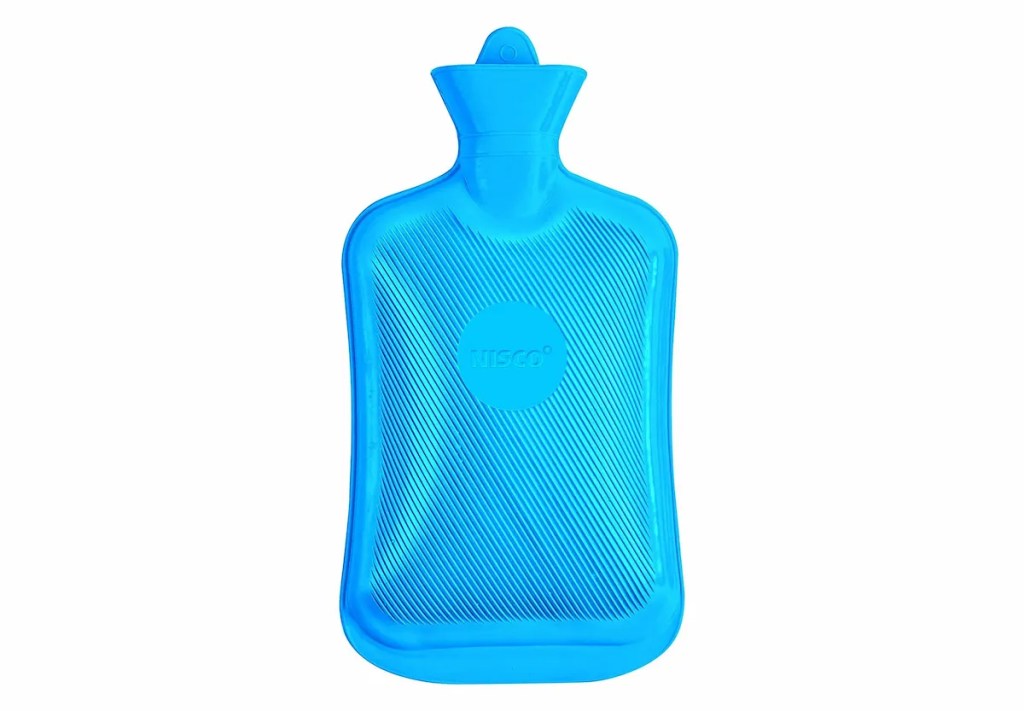
Warmth widens the blood vessels in the surrounding skin. More blood means more oxygen, more immune cells, and faster delivery of everything your body uses to fight infection. The heat also softens the skin over the cyst, which can make it easier for trapped fluid to find a way out.
In an early-stage cyst that hasn’t yet formed a deep sinus tract, that’s sometimes enough to encourage slow, controlled drainage on its own, which often relieves the pressure and pain dramatically.
What a warm compress won’t do is fix the root problem. Pilonidal cysts form because hair and debris get trapped in a pocket beneath the skin, and that pocket doesn’t vanish because you held a hot cloth against it. A compress manages symptoms. For the actual fix, see our full guide to pilonidal cyst treatments.
How to Apply a Warm Compress to a Pilonidal Cyst
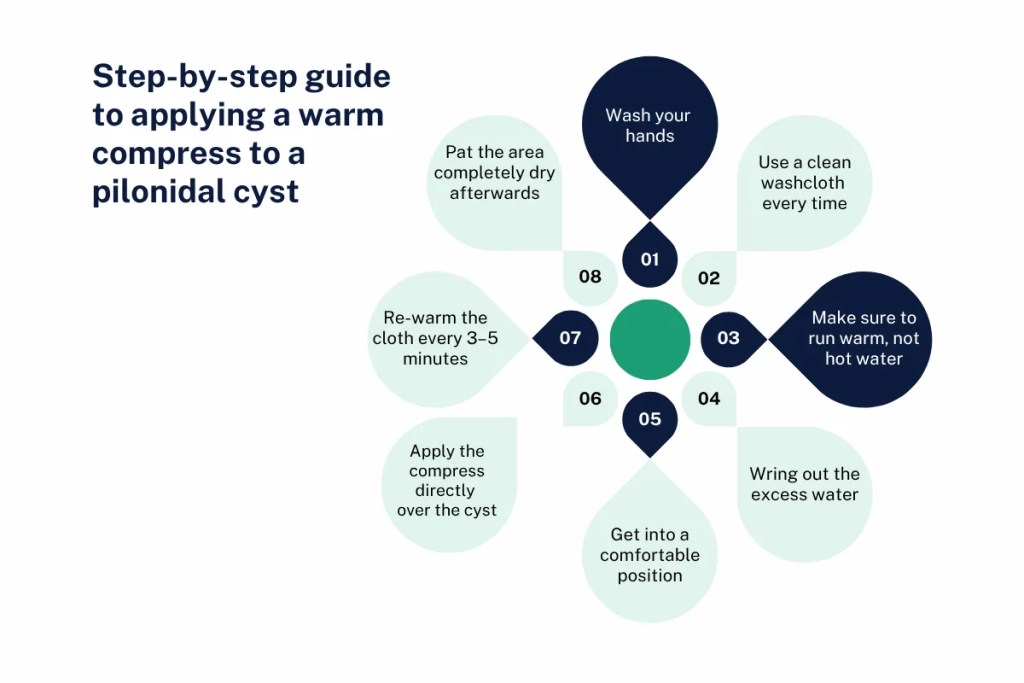
- Wash your hands thoroughly, with soap, for 20 seconds. The natal cleft is already a tough environment for your immune system, and you don’t want to introduce new bacteria.
- Use a clean washcloth every time. Reusing a damp cloth from earlier defeats the purpose. Grab a fresh one each session.
- Run the water warm, not hot. Test it on your inner wrist first. If it makes you flinch, it’s too hot. Skin over an inflamed cyst is more sensitive than normal and burns easily.
- Wring out the excess. The cloth should be damp, not dripping. Extra water just runs off and cools the cloth faster.
- Get comfortable. Lying on your side or face-down on a bed works best. Doing this standing up is awkward and you’ll cut the session short.
- Apply the compress directly over the cyst and hold it in place. Don’t press hard. do it gently steady, because you want to make a steady contact.
- Re-warm the cloth every 3 to 5 minutes. Once it drops below body temperature it stops helping. Keep a bowl of warm water nearby to re-dip.
- Pat the area completely dry afterward. This part matters. A damp natal cleft is exactly the environment that caused the problem in the first place.
How Long and How Often to Apply Warm Compresses
15 to 20 minutes per session is the sweet spot. Under 15 minutes doesn’t give the tissue enough time to respond. Over 20 and you start risking skin irritation, which works against you.
As for frequency, three to four times a day works well, and a rhythm of morning, midday, evening, and just before bed is easy to stick to.
On timing, most early-stage flare-ups respond within 2 to 3 days of consistent use, though evidence shows home measures don’t resolve an established sinus tract. If you’ve been doing it properly for three full days with no improvement, or things are getting worse, that’s a clear signal to stop self-treating and see a professional.
Warm or Cold Compress for a Pilonidal Cyst?
Almost always warm. Cold has a narrow role, since it can briefly numb a sharply painful area, but it doesn’t do the thing you actually need here, which is increasing blood flow and encouraging drainage. Cold constricts the blood vessels and slows that process down.
Use a cold compress briefly (around 10 minutes) if the pain is severe and you just need short-term relief. Otherwise, warm is what addresses the underlying problem.
When NOT to Use a Warm Compress
There are situations where the standard advice doesn’t apply. Skip the warm compress and call a clinician if any of these are true:
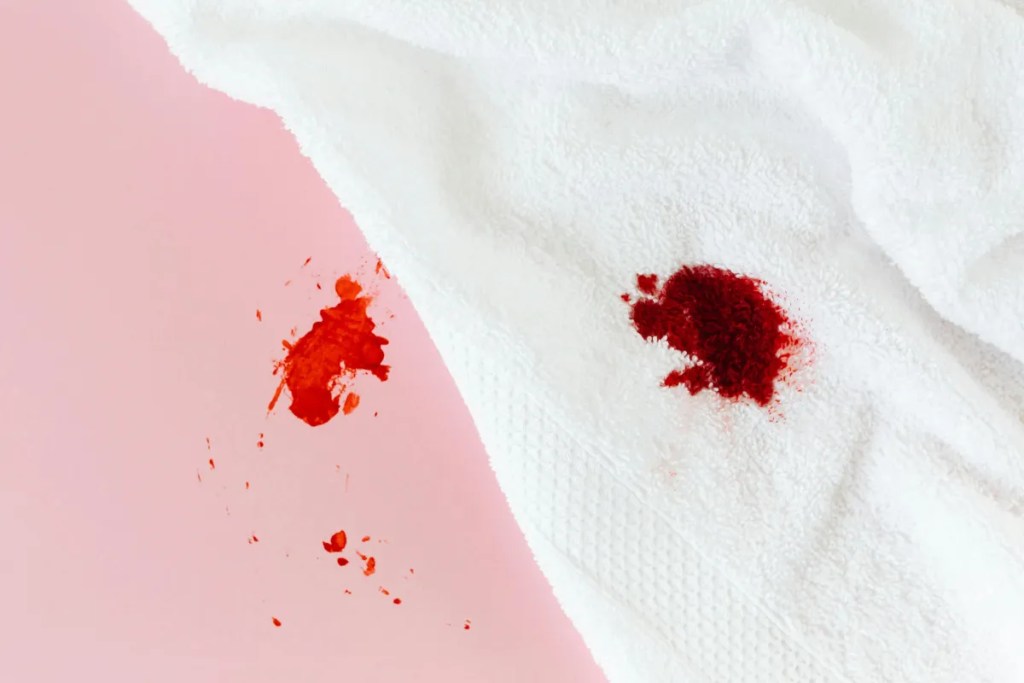
- The cyst is heavily draining pus or blood. You’re past the point where home heat helps, and the area needs proper wound care. Our guide on what to do if a pilonidal cyst pops covers the immediate next steps.
- You have a fever, chills, or spreading redness. These point to a serious infection that needs antibiotics, not a hot towel, and should be assessed by a doctor promptly.
- You’ve recently had surgery in the area. Follow your surgeon’s specific aftercare instructions, which may or may not include heat.
- The skin is broken or shows burns. Heat on damaged skin can make things considerably worse.
Frequently Asked Questions
How long does it take for a warm compress to work on a pilonidal cyst?
Most people feel some relief from pain and pressure within the first one or two sessions, just from the increased blood flow and the soothing effect of the heat. Real improvement in the swelling, and any chance of natural drainage, usually takes 2 to 3 days of consistent use, around four times a day. If you’ve seen no progress by day three, the cyst probably isn’t going to settle on its own at home.
Will heat draw out a pilonidal cyst?
Sometimes, particularly with small, superficial cysts. The heat softens the surrounding skin and raises the pressure inside the cavity, which can help existing pus find a way out. What you should never do is try to force drainage by squeezing or pressing, since that’s how a manageable cyst turns into an abscess. If it’s going to drain, it drains on its own.
Will heat draw out a pilonidal cyst?
In some cases, yes — particularly with small, superficial cysts. The heat softens the surrounding skin and increases pressure inside the cavity, which can encourage existing pus to find a path out. However, you should never try to force drainage by squeezing or pressing. That’s how a manageable cyst becomes an abscess. If it drains, it drains on its own.
Should I massage the cyst while applying a warm compress?
No. Massaging or pressing on the cyst can push bacteria deeper into the surrounding tissue and turn a contained problem into a spreading infection. Apply the cloth with gentle, steady contact and let the heat do the work on its own.
Is a warm compress safe to use every day long-term?
For a quiet, symptom-free cyst, you don’t need a daily compress. It’s a tool for active flare-ups, not routine maintenance. For everyday management, the habits that matter more are keeping the natal cleft dry and hair-free, taking pressure off the area when you sit with a proper pilonidal cyst-relief cushion, and wearing breathable clothing.
Are there any risks with using a warm compress?
If it’s used sensibly, it’s very low-risk. The main pitfalls are water that’s too hot (which can burn already-sensitive skin), leaving it on too long (irritation), and reusing a dirty cloth (introducing bacteria). The bigger risk is relying on it past the point where it helps, since using heat while a serious infection brews can delay the medical care you actually need.
The Bottom Line
A warm compress is one of the simplest, cheapest, and genuinely most useful tools you have for managing a pilonidal cyst flare-up at home. Done properly, it can ease pain, speed up early drainage, and buy you time. Done at the wrong moment, it can delay treatment you actually need, so the skill is knowing which situation you’re in.
If you want a complete, practical guide to managing pilonidal cyst pain at home, you can download our free guide here. It covers the full home-care routine, the modern non-surgical options most doctors don’t mention, and the lifestyle adjustments that cut down on flare-ups.
Leave a Reply